
In Vitro Fertilisation (IVF) is often viewed as a last resort. In reality, it is a carefully structured medical process designed to overcome specific reproductive barriers.
IVF involves several stages:
- Ovarian Stimulation
Medications stimulate the ovaries to produce multiple mature eggs instead of the single egg released during a natural cycle. - Egg Retrieval
Under mild sedation, eggs are collected from the ovaries using ultrasound guidance. - Fertilization in the Laboratory
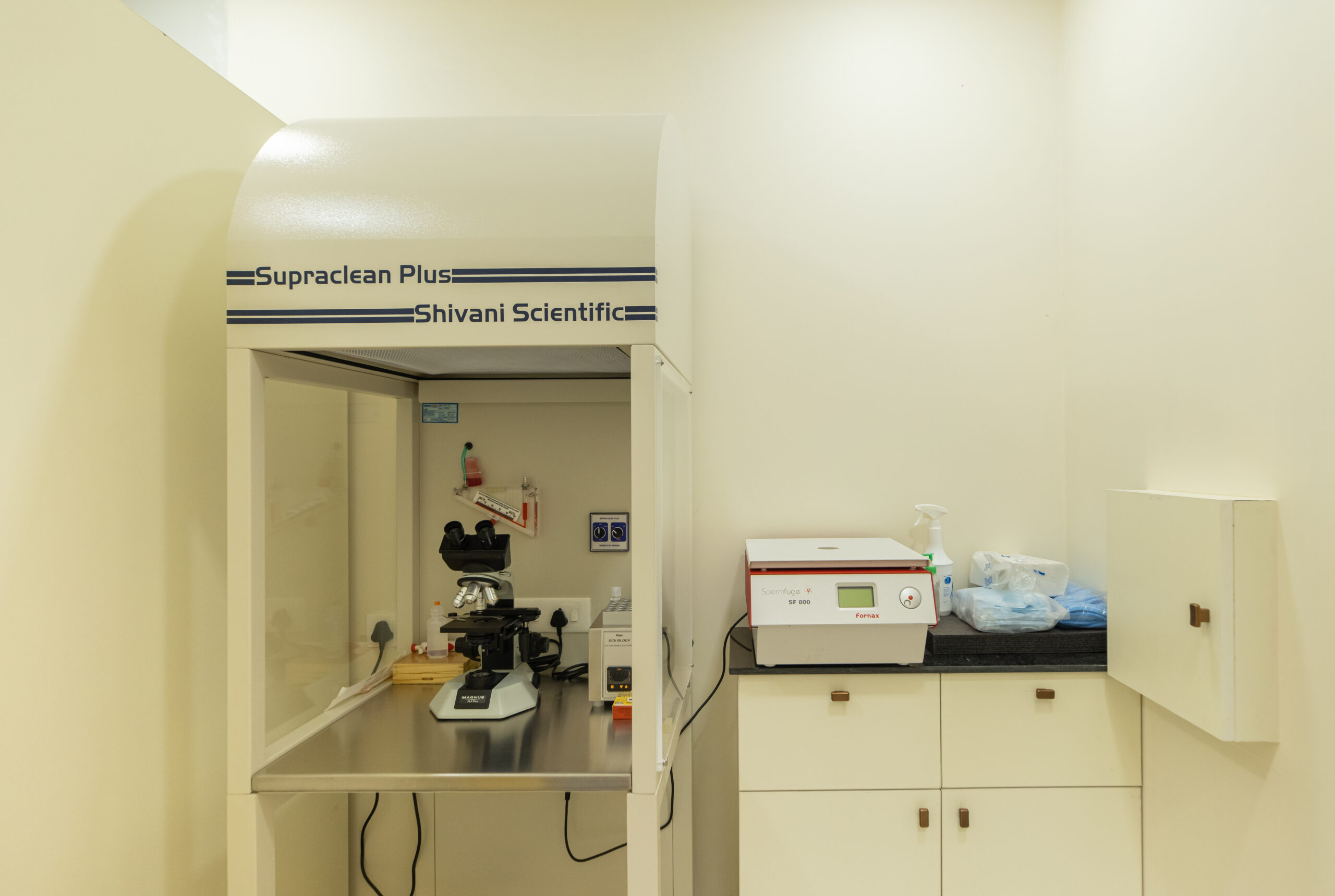
Eggs are combined with sperm in a controlled laboratory setting. In certain cases, ICSI (Intracytoplasmic Sperm Injection) is used, where a single sperm is injected directly into the egg. - Embryo Culture and Monitoring
Embryos are observed for several days under optimal lab conditions. - Embryo Transfer
A selected embryo is transferred into the uterus.
Modern IVF integrates advanced technologies such as:
Time-lapse embryo monitoring systems
AI-assisted embryo selection
Improved culture media
Genetic screening when indicated
IVF may be recommended in cases such as:
Bilateral tubal blockage
Severe male factor infertility
Recurrent IVF failure
Low ovarian reserve
Endometriosis
Unexplained infertility after other treatments
IVF is not merely a procedure—it is a protocol tailored to individual hormonal patterns and reproductive history.
Success depends on personalization, laboratory quality, and careful patient selection.
Understanding IVF removes fear and replaces it with informed decision-making.