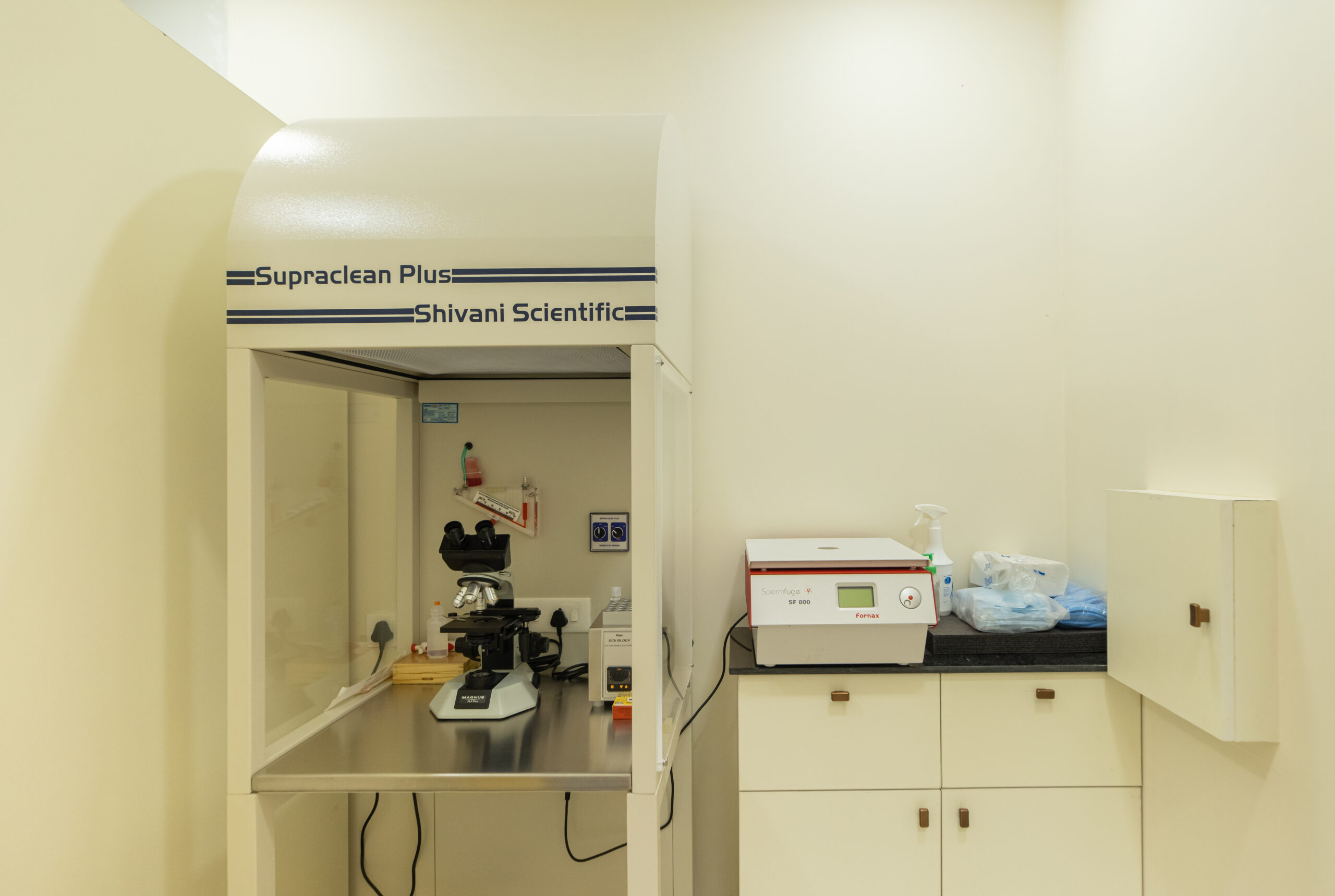

Modern life has shifted timelines. Education, career goals, financial planning, and personal growth often delay parenthood. Biology, however, still follows its own schedule.
Fertility preservation bridges this gap.
Understanding Egg Quality and Age
Women are born with their lifetime egg supply. Over time:
Egg quantity declines steadily
Egg quality declines more sharply after 35
Chromosomal abnormalities increase with age
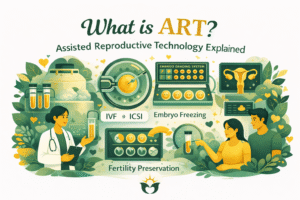
Egg freezing preserves eggs at their current biological age.
How Egg Freezing Works
The process includes:
Ovarian stimulation with controlled medication
Monitoring via ultrasound and blood tests
Egg retrieval under mild sedation
Rapid freezing using vitrification technology
Frozen eggs can remain viable for years.
Who Should Consider Fertility Preservation?
Women delaying pregnancy beyond 35
Women with declining AMH levels
Women undergoing cancer treatment
Individuals with autoimmune disorders
Women with severe endometriosis
Those with family history of early menopause
Emotional and Practical Benefits
Fertility preservation provides:
Reproductive autonomy
Reduced pressure around timelines
Psychological reassurance
Expanded family planning options
It does not guarantee future pregnancy, but it significantly improves future possibilities compared to attempting later without preserved eggs.
Fertility preservation is not about postponement. It is about preparation.